E -Waste Management

Recycling of e-waste in India and its potential

Since India is highly deficient in precious mineral resources while untreated e-waste goes to landfill, there is need for a well designed, regulated e-waste recovery regime which would generate jobs as well as wealth

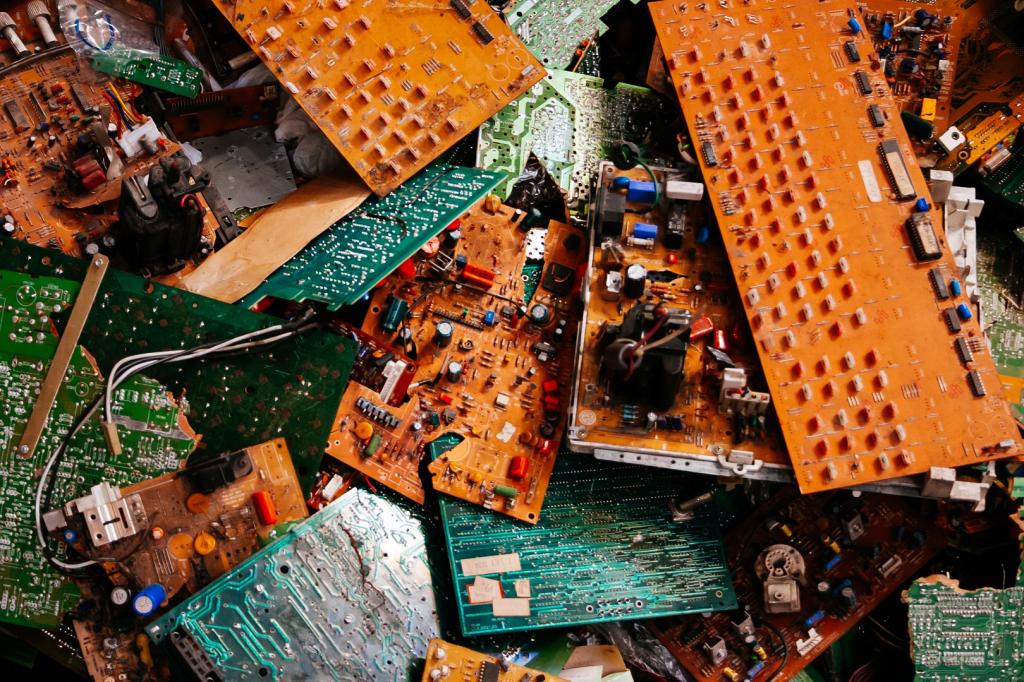
Electronic waste (e-waste) typically includes discarded computer monitors, motherboards, mobile phones and chargers, compact discs, headphones, television sets, air conditioners and refrigerators. According to the Global E-Waste Monitor 2017, India generates about 2 million tonnes (MT) of e-waste annually and ranks fifth among e-waste producing countries, after the US, China, Japan and Germany.

In 2016-17, India treated only 0.036 MT of its e-waste.About 95 per cent of India’s e-waste is recycled in the informal sector and in a crude manner. A report on e-waste presented by the United Nations (UN) in World Economic Forum on January 24, 2019 points out that the waste stream reached 48.5 MT in 2018 and the figure is expected to double if nothing changes. Only 20 per cent of global e-waste is recycled.

The UN report indicates that due to poor extraction techniques, the total recovery rate of cobalt (the metal which is in great demand for laptop, smart phone and electric car batteries) from e-waste is only 30 per cent. The report cites that one recycler in China already produces more cobalt (by recycling) than what the country mines in one year. Recycled metals are also 2 to 10 times more energy-efficient than metals smelted from virgin ore.

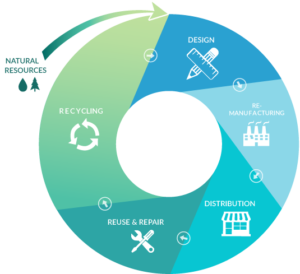
The report suggests that lowering the amount of electronics entering the waste stream and improving end-of-life handling are essential for building a more circular economy, where waste is reduced, resources are conserved and are fed back into the supply chain for new products.
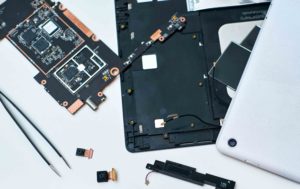
Why is electronic waste recycling important?

Before looking at how electronic waste is recycled, it’s important to know why. Sustainable waste management helps to offset the negative impacts of waste while also providing a number of benefits, mainly through keeping materials in circulation.

Municipalities across the US, and indeed the world, are pushing for greater awareness of the problem and urging businesses across all industries to take greater responsibility for their e-waste products. This has a knock-on effect, and through producer responsibility, consumers have more choice when it comes to recycling (or reusing) e-waste products.

The benefits of recycling e-waste

On the flip side, recycling e-waste allows for the recovery of materials such as gold, copper, glass, aluminum, lithium, plastic, and more. According to one study, the value of the raw materials in e-waste was roughly 55 billion euros in 2016. What’s more, these materials are returned to the supply chain for the production of new products, reducing the environmental impact, minimizing hazardous materials in the environment, and generally increasing the sustainability of the production of new electronics.

There is also a significant social and economic impact, with recycling and reuse accounting for 681,000 jobs in a single year, according to the EPA. Of course, e-waste is only a part of that, but as the fastest growing waste stream, it is likely to become increasingly significant as we become more reliant on digital devices.

E-waste Recycling Process for Computers and Laptops

The process for recycling laptops and computers is very similar to the general process outlined above. However, there is likely to be a greater focus on manual sorting and separation since computer components from broken machines can be combined into new computers with no extra resources.

However, there is hope that we can strive for a more circular economy with e-waste, and both businesses and individuals can make a difference through conscientious consumption, reduction, and reuse, eventually pushing manufacturers towards more easily recyclable devices through producer responsibility program

Latest Articles

if you dispose of your electronic waste improperly, all of those nasty components are leaching into the environment.

recycling e-waste

According to one study, the value of the raw materials in e-waste was roughly 55 billion euros in 2016. What’s more, these materials are returned to the supply chain for the production of new products.

Computers and Laptops

However, there is likely to be a greater focus on manual sorting and separation since computer components from broken machines can be combined into new computers with no extra resources.

recycling importance

efore looking at how electronic waste is recycled, it’s important to know why. Sustainable waste management helps to offset the negative impacts of waste while also providing a number of benefits.