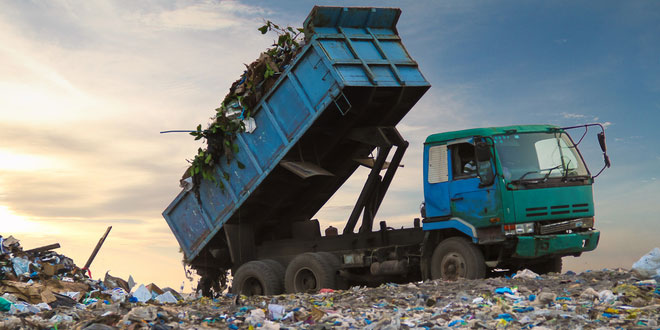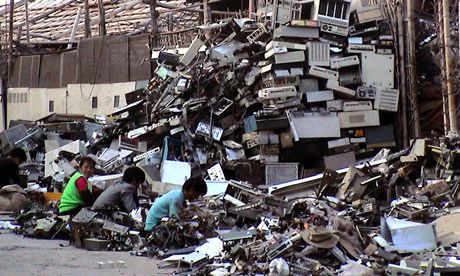
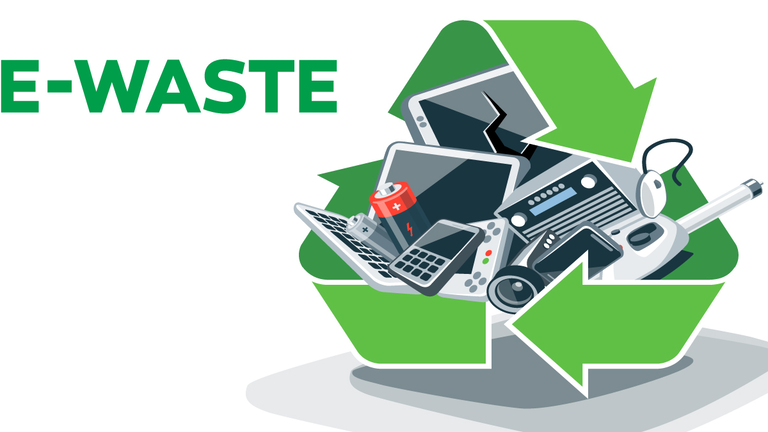
Despite 66 per cent of the worlds population being covered by e-waste legislation, only 20 per cent of global e-waste is recycled each year, which means that 40 million tonnes of e-waste is either burned for resource recovery or illegally traded and treated in a sub-standard way. In the US alone, more than 100 million computers are thrown away with less than 20 per cent being recycled properly. China discards 160 million electronic devices a year. In the past, China has been regarded as the largest e-waste dumping site in the world. Hundreds of thousands of people have expertise in dismantling electronic junk.
E-waste collection, transportation, processing, and recycling is dominated by the informal sector. The sector is well networked and unregulated. Often, all the materials and value that could be potentially recovered is not recovered. In addition, there are serious issues regarding leakages of toxins into the environment and workers safety and health.
India ranks 177 amongst 180 countries and is amongst the bottom five countries on the Environmental Performance Index 2018, as per a report released at the World Economic Forum 2018. This was linked to poor performance in the environment health policy and deaths due to air pollution categories. Also, India is ranked fifth in the world amongst top e-waste producing countries after the USA, China, Japan, and Germany and recycles less than 2 per cent of the total e-waste it produces annually formally. Since 2018, India generates more than two million tonnes of e-waste annually, and also imports huge amounts of e-waste from other countries around the world.
“In the US alone, more than 100 million computers are thrown away with less than 20 per cent being recycled properly. China discards 160 million electronic devices a year. In the past, China has been regarded as the largest e-waste dumping site in the world. Hundreds of thousands of people have expertise in dismantling electronic junk.”
SJY, Own
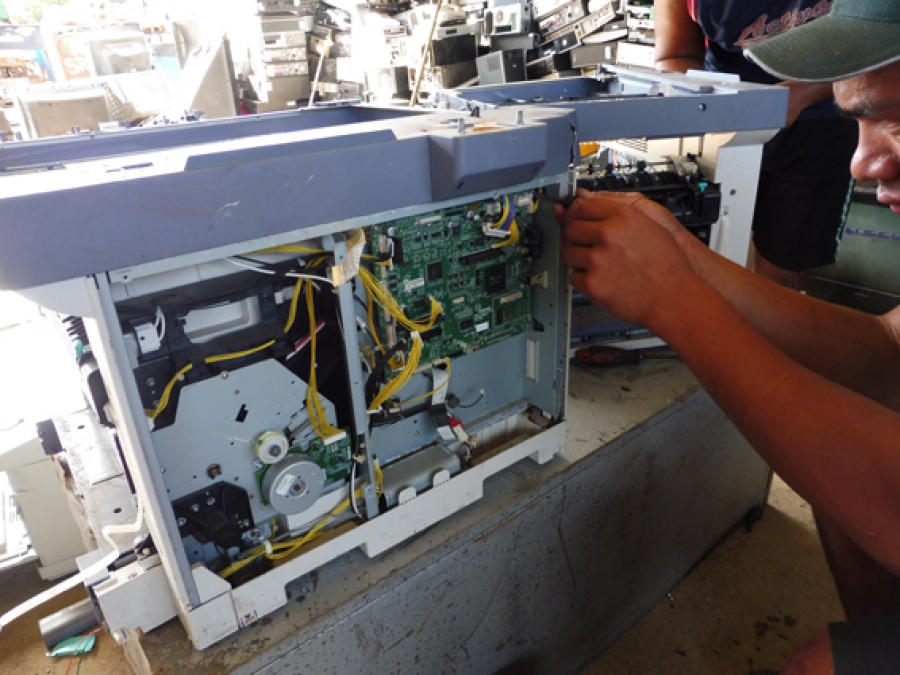
“ Organizations such as GIZ have developed alternative business models in guiding the informal sector association towards authorization. These business models promote a city-wide collection system feeding the manual dismantling facility and a strategy towards best available technology facilities to yield higher revenue from printed circuit boards.”
SJY, Owner
“Almost all e-wastes contain some form of recyclable material, including plastic, glass, and metals; however, due to improper disposal methods and techniques these materials cannot be retrieved for other purposes. If e-waste is dismantled and processed in a crude manner, its toxic constituents can wreak havoc on the human body”
SJY, Owner
"E-waste management is a great challenge for governments of many developing countries such as India. This is becoming a huge public health issue and is exponentially increasing by the day. In order to separately collect, effectively treat, and dispose of e-waste, as well as divert it from conventional landfills and open burning, it is essential to integrate the informal sector with the formal sector."
SJY, Owner
Yogi, SJ
Industry Analysis
Processes such as dismantling components, wet chemical processing, and incineration are used to dispose the waste and result in direct exposure and inhalation of harmful chemicals. best price in online.
Go somewhereBe Responsible Totay for a better Future Tommrow
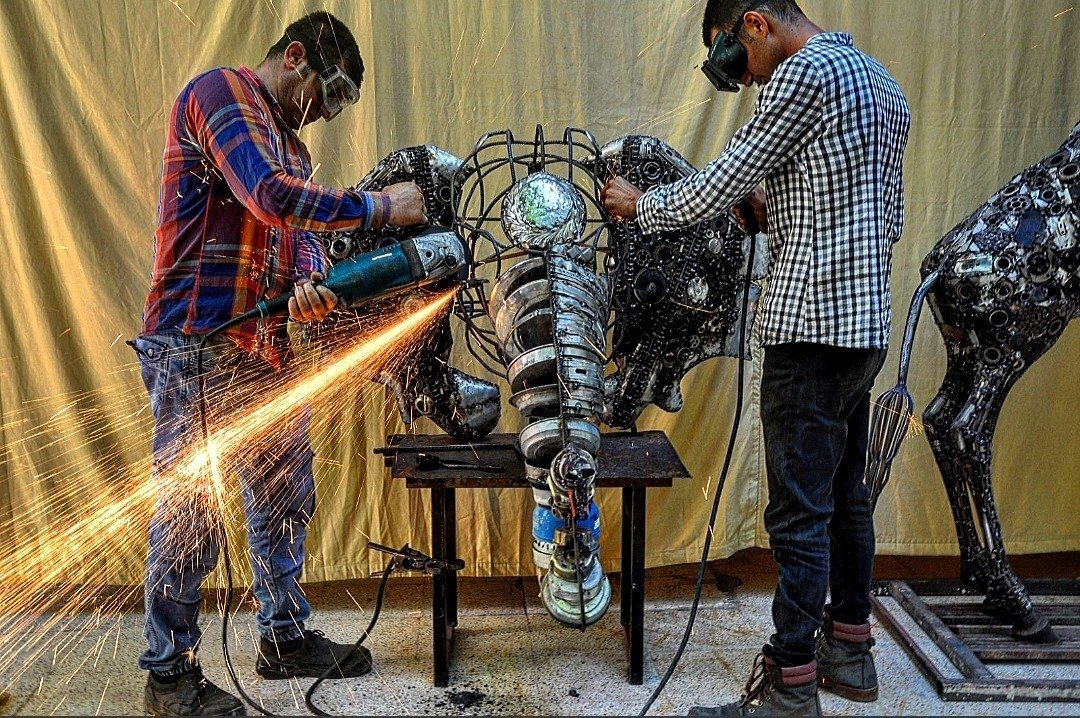
E-waste, or electronic waste, encompasses electrical and electronic equipment thats outdated, unwanted, or broken. That means everything from smartphones to end-of-life refrigerators. Basically, anything that runs on electricity that youve decided to get rid of. Globally, we only recycle 10% of our e-waste, a number that’s as shocking as it is depressing.
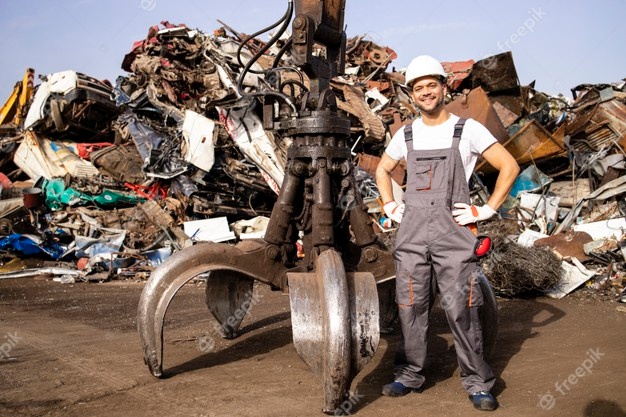
In day to day are conclusion life the normal usage of waste's material can be turned out into a valuable profit business ideas will be in futures